
Surgery to treat Crohn’s disease or ulcerative colitis may result in the surgeon pulling a part of the bowel through a cut in the belly. This end sticks out on the abdominal wall, forming a stoma, which is an opening to allow the patient to expel body wastes. The surgeon will choose to give you a stoma if the lower section of your GI tract is unable to perform its function due to the impact of the disease.
There are two types of a stoma that you can get in this regard.
- Ileostomy
- Colostomy
Ileostomy
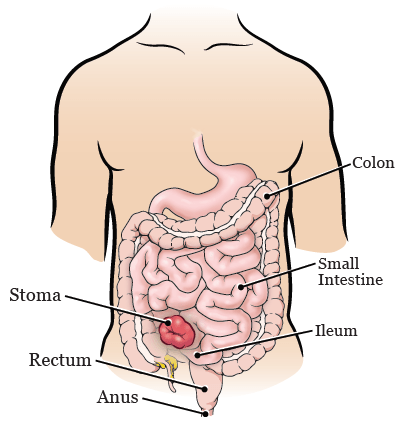
An ileostomy is formed when your surgeon pulls out the end of the small bowel through a cut in the belly. This way, the entire colon is bypassed. The stoma you get as a result of this procedure is usually on the lower section of the abdomen.
The stool you pass out through an ileostomy usually has the consistency that of porridge. That is because the stool hasn’t passed through the colon, which absorbs water and digestive enzymes from fecal wastes. Stools that come out prematurely are mostly liquid and irritating to the skin. That is why individuals with ileostomies are generally instructed to ensure a proper seal between the skin barrier and the peristomal skin.
Colostomy
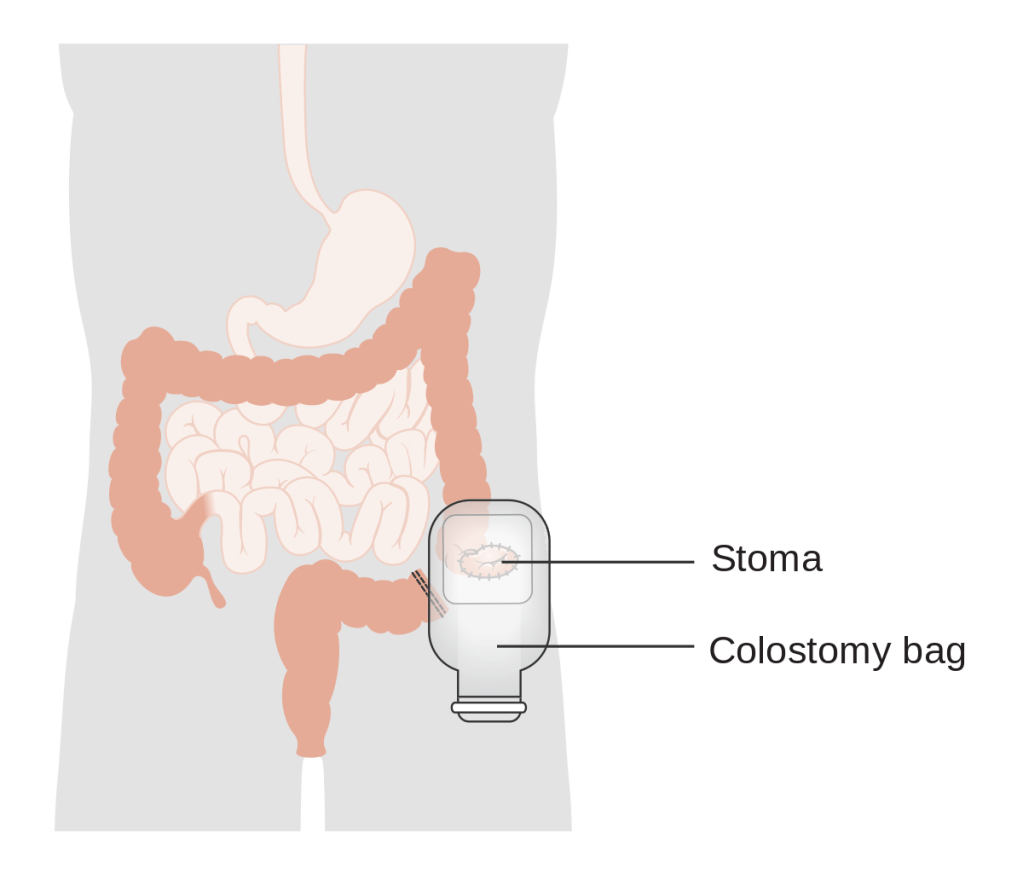
A colostomy is created by pulling a part of the colon through a cut in the belly. This way, the patient retains a part of the colon. It means that fecal wastes passing out through a colostomy allow the active part of the colon to absorb some of the water content. Depending on the location of the stoma, fecal wastes can be semi-formed or fully formed.
Why would you need a stoma?
Your doctor will opt to give you a stoma if your body is not responding to the medical treatment to control symptoms resulting from Crohn’s disease or ulcerative colitis. In some cases, the disease may cause perforation of the bowel. It is a life-threatening condition, which is treatable only through surgery. Bowel cancer is another reason why you may need an ostomy.
In some cases, people with mild conditions opt to have a colostomy or ileostomy to improve their quality of life.
Looking after the stoma
You can look after your stoma by using the right ostomy pouch. Stoma care significantly involves caring for the skin around the stoma. For this purpose, you have to ensure a proper seal between the ostomy pouch you use and your abdominal skin.
You will get the initial training on how to take care of your stoma from the ostomy care nurse at the hospital. At home, you will have to take care of your stoma yourself. You will need to learn how to apply the ostomy pouch, how to empty it, and how to discard it after a few days of use. If you have any questions, you can speak to your ostomy care nurse or doctor.
Living with a stoma
A stoma doesn’t leave a significant impact on your lifestyle. You can eat whatever you want once your bowel recovers full from the impact of surgery. You can also engage in all sorts of physical activities. You may, however, need to discuss with your doctor, though.
 Crohn's Chronicle
2 thoughts on “Life With A Stoma”