When you find out an ostomy is in your future there are some scary times ahead. Most of these times are based on your own fear. Nurses and caregivers throughout the country were asked which responsibility is the most challenging when it comes to patient care. An enormous amount of caregivers answered that ostomy care is one of their most difficult responsibilities. That is because it is so important and that it is a huge change in someone’s normal life. But this is also a huge satisfactory thing to get through. They answered that this time of care is usually the most awkward because of the intimacy of changing or cleaning an ostomy bag. It is even listed as one of the most awkward treatments for patients because of the social taboos about excretion. This is simply a part of life and as long as you are open about it and happy to learn it usually turns out ok.
The hard part is when you have to have close family members help. Family caregivers are also found to receive assistance with ostomy care more than any other medical task because of the risk and complexity with the task.No one is really excited to learn about this for other family members. Most people note needing more information and training in the cleaning and maintaining of the ostomy bag and skin surrounding. The fact is that it is a huge learning curve to start with.
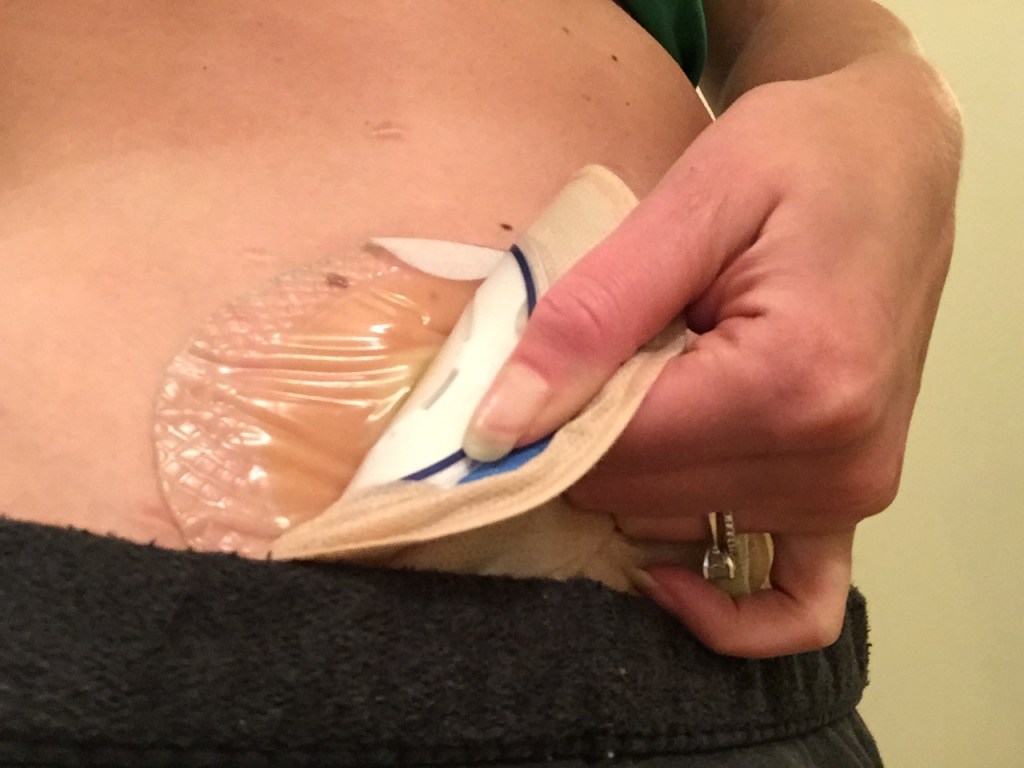
Getting an ostomy is a scary thing from the start, but it does get better. The procedure itself creates an opening in or around the gastrointestinal and urinary systems in the body. Both very critical and high risk of getting infected. The surgery involves a bag where physical excretion is stored on the outside of the body. This leads to embarrassment for the patient as they try to navigate how to clean and manage it themselves while another caregiver is training. Sometimes the patient will never be able to care for the bag so a permanent caregiver will do the task. Often this creates a problem with self-image. It is a caretaker’s job to ensure the comfortability and trust between the patient and nurse.
What really happens is that the nurse will educate both the patient and the caretaker on ostomy and peristomal skincare to make sure the transition from hospital to home will be successful. The majority of the time when there are issues related to the stoma it was because of a lack of knowledge and training upon exiting the hospital. It is critical the patient and caretaker understand the importance of care and upkeep.
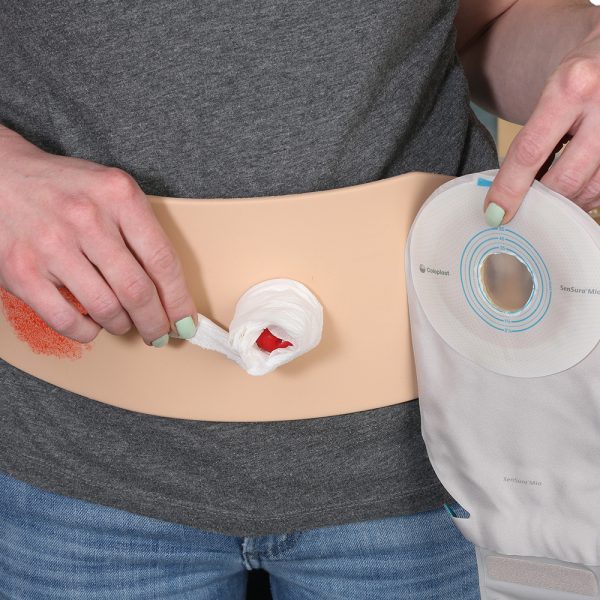
But know that the training must include knowledge of tools, supplies, and proper methods. The caretaker will be educated on what type of supplies and tools are necessary for every cleaning. It should become second nature before the patient is returned home. The caretaker or patient should be confident in their abilities. Nurses are incredible and need to know what to know as well. To ensure the patient and caretaker will retain the most information then the nurse should make sure all surgical pain is gone. No patient wants to be in pain while learning and no caretaker wants to worry about hurting the person while learning. The learning will then begin once the patient is healed and prepared for learning.

 Crohn's Chronicle